

The New Standard for Sports Sustainability: From Promises to Proof
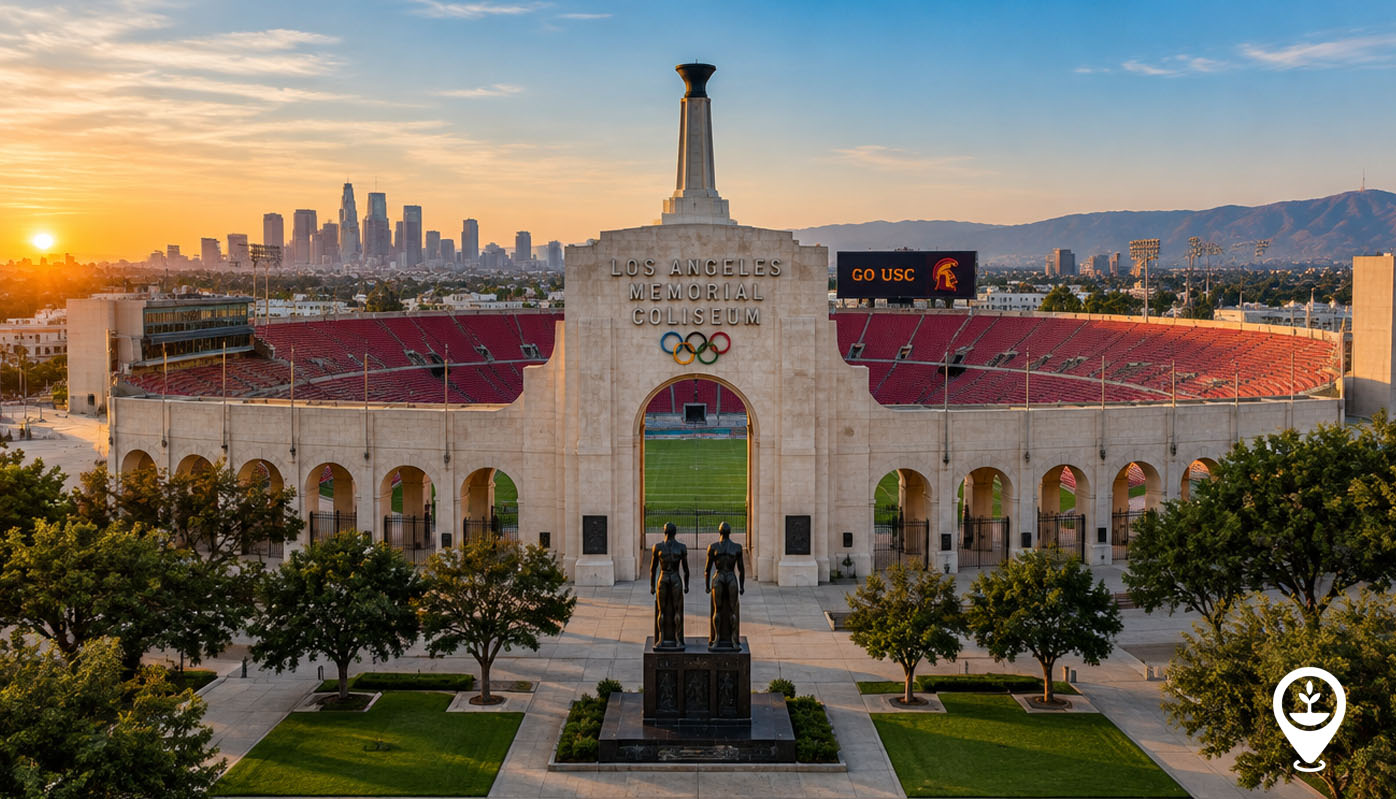
Sports sustainability is entering a new era. Ambition and good intentions are no longer enough. Fans, sponsors, and communities increasingly expect measurable progress, transparent data, and environmental initiatives they can actually see.
By the time LA28 kicks off in Southern California, expectations for host cities will look very different than they did even four years ago. Sustainability is moving beyond standalone initiatives toward measurable operational improvements and transparent environmental action.
As preparations for 2028 ramp up, sports sustainability is shifting toward practical operational measures: cutting grid loads, reusing existing buildings, and tracking environmental projects with ground-level data that stakeholders can understand and verify.
The LA28 Framework: Shifting from Construction to Operational Decarbonization
The official LA28 Impact and Sustainability Plan makes one major strategic choice upfront: build almost nothing new. Past Olympic hosts have invested heavily in new venues, some of which have faced challenges around long-term use and maintenance after the Games. LA28 is relying almost entirely on existing venues and temporary setups.
This direction matches the goals laid out in LA28’s sustainability plan unveiling and detailed in coverage of LA28’s three core sustainability pillars: venue reuse, local community investment, and direct carbon cuts. Utilizing legacy venues like the Los Angeles Memorial Coliseum and SoFi Stadium eliminates the huge carbon footprint that comes with mixing and pouring fresh concrete.
Reusing facilities removes the biggest upfront carbon hit, but day-to-day operations still carry a heavy footprint. Flying in thousands of athletes, media crews, and fans puts huge strain on regional transport, food supply chains, and power grids. Managing those realities requires looking at how venues handle their regular, year-round schedules.
Year-Round Testing: How Motorsport and Volleyball Are Setting New Benchmarks
Mega-events get the attention, but annual sports calendars are where day-to-day sustainability strategies actually get tested and refined.
Take auto racing. It’s an industry built on high fuel consumption and constant travel, yet venue operators are finding ways to reduce their on-site footprint. The Circuit de Barcelona-Catalunya sustainability recognition shows how the track integrated large solar arrays, zero-landfill trash policies, habitat protection zones, and real-time energy tracking into its daily operations.
Volleyball federations are taking a similar line by writing strict rules directly into hosting bids. Reports on FIVB’s sustainability advancement initiatives show how governing bodies now require host venues to meet basic operational standards, such as:
- Cutting Out Single-Use Plastics: Setting up stadium water stations and requiring compostable food containers across athlete, media, and spectator areas.
- Transit Connections: Partnering with local transit authorities to include bus and train passes directly in event tickets.
- Cleaner Site Power: Plugging stadium lights and broadcast trucks directly into local power grids or battery setups instead of running diesel generators.
When sports federations write these rules directly into host contracts, sustainable operations stop being a special feature and become the baseline.
From Tree Planting to Transparent Restoration
When leagues look to address travel and freight emissions and contribute to nature restoration, planting trees remains a popular choice. But a promise such as “a tree for every ticket” becomes far more meaningful when organizations can show where and how those trees are planted and monitored.
Tree planting without appropriate planning, local expertise, and long-term care can deliver disappointing outcomes. Restoration programs are stronger when they consider suitable species, local ecosystems, community involvement, and ongoing monitoring.
Transparency starts with knowing where trees are planted, who planted them, which species were used, and having mechanisms to monitor forest development over time.
Tree planting becomes far more credible when organizers can show where and how restoration is happening. Modern tracking platforms make it possible to record details such as GPS coordinates, species, planting dates, planter information, and even photos of individual trees. With this kind of field data, tournaments and leagues can give fans and sponsors a direct window into the forests supported by an event.
Some organizations, such as EcoMatcher, have developed TreeTech tools that provide this level of transparency. By making restoration data accessible and verifiable, these platforms help strengthen accountability, support biodiversity‑conscious restoration, and highlight the communities behind the planting.
That level of transparency strengthens accountability, supports biodiversity-conscious restoration, and creates greater visibility into the people and communities behind the planting.
Integrating Native Ecosystem Restoration into Major Tournaments
Land restoration is already showing up in regional and national sports events. Organizing committees are building local planting programs directly into their tournament setups. A good example is Hockey India’s FIH World Cup Qualifiers sustainability partnership, where event hosts integrated native tree planting into their operational planning in Telangana.
To make restoration work alongside the fast-paced logistics of a major event, organizers focus on three practical steps:
- Stick to Native, Biodiverse Plants: Biodiverse native planting can provide stronger ecosystem benefits than single-species planting. Hosts can collaborate with local foresters to select native varieties that match local soil, support regional wildlife, and help retain water in the ground.
- Track Every Physical Asset: Relying only on estimates or paper records can make environmental claims difficult to substantiate. Modern tracking solutions now allow host committees to record precise GPS locations and follow planting projects over time. For larger initiatives, monitoring can include drone imagery with aerial before‑and‑after views, compiled into clear reports. This gives sponsors, fans, and local stakeholders greater visibility into project progress and ensures that restoration efforts can be verified over time.
- Focus on Local Jobs and Community Impact: Environmental projects are stronger when local communities are meaningfully involved. Working with local farmers and communities can create additional income and longer-term economic opportunities, while giving visiting teams and fans a real connection to the places they visit.
Turning Fans into Participants
Transparency also creates an opportunity that is particularly powerful in sports: engagement. A club, tournament, or sponsor can connect tree planting directly to tickets, memberships, merchandise, athlete campaigns, or fan rewards. Supporters can then explore the trees linked to their contribution, learn where and by whom they were planted, and see how their individual effort becomes part of a larger event or team forest.
Some platforms, such as EcoMatcher, provide tools that make this kind of engagement possible by linking fans directly to verified restoration projects. This approach transforms sustainability from a behind‑the‑scenes initiative into something fans and sponsors can actively experience, strengthening accountability while deepening community connection.
Aligning Procurement and Corporate Sponsorship Standards
Beyond fan perception and venue operations, corporate sponsorship is also contributing to the shift toward more credible and transparent environmental action. Brands backing major sports events increasingly need sustainability initiatives that can be clearly explained, measured, and supported with reliable data. This is encouraging host committees and sports federations to integrate sustainability criteria into commercial partnerships and procurement. From apparel suppliers using recycled materials to logistics partners reducing transport emissions, transparent and auditable information can help sponsors and organizers communicate environmental progress with greater confidence.
The Transparency Standard for 2028 and Beyond
As LA28 approaches, sustainability is becoming more deeply integrated into how major sports events are planned, operated, measured, and communicated.
Major sports have enormous public visibility. When leagues, stadium operators, and host cities reduce operational emissions and complement those efforts with transparent, trackable nature restoration, they can create a legacy that extends well beyond the event itself. The opportunity also goes beyond reducing environmental impact: with the right technology, tickets, tournaments, sponsors, and fans can become part of a transparent restoration story. The next standard for sports sustainability will not just be what organizations promise. It will be what people can see, track, and experience.