

About Earth Day 2026: Our Power, Our Planet
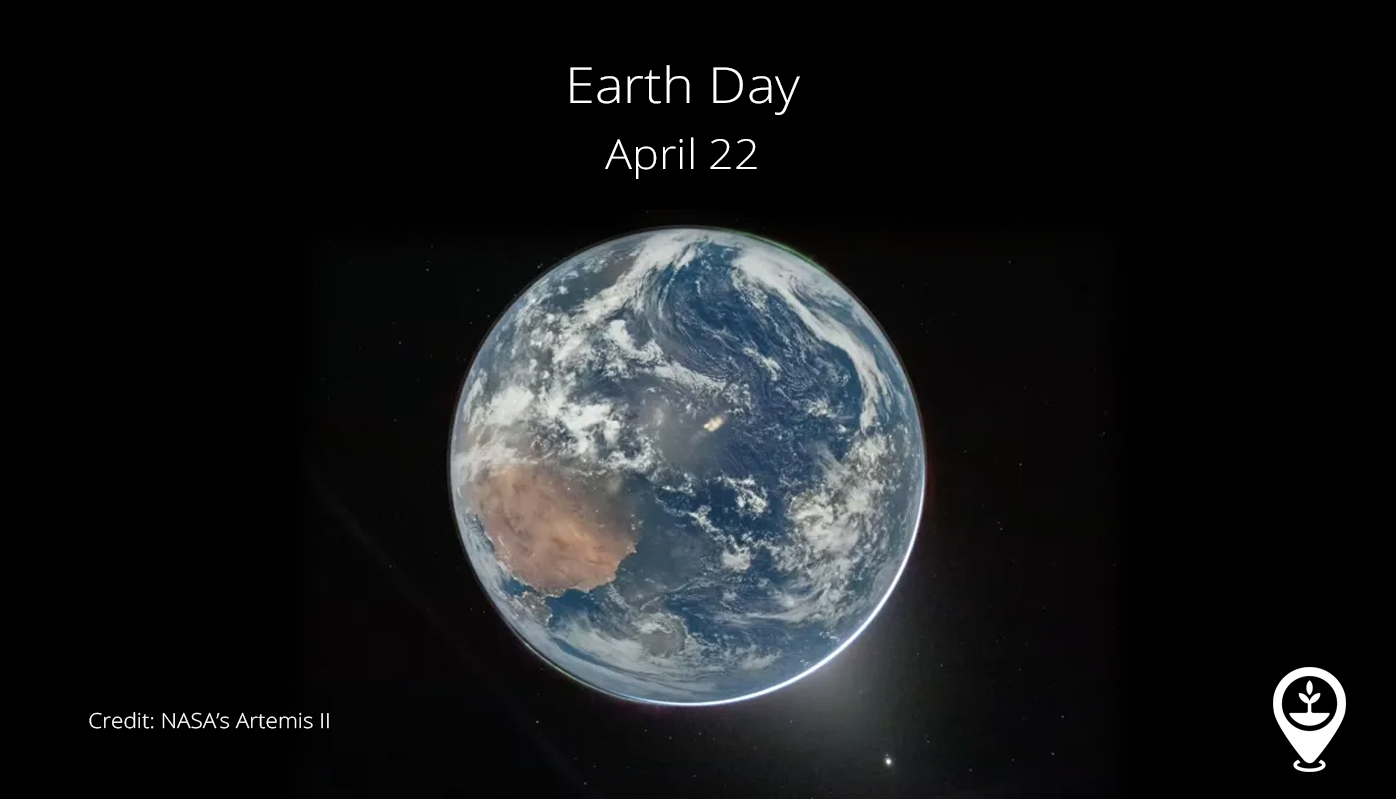
Every April 22, the world pauses to look at the ground beneath its feet and the sky above its head. Earth Day, now in its 56th year, has evolved from a single-day demonstration into a global movement that shapes policy, drives innovation, and awakens conscience. But Earth Day 2026 carries a different charge. Its theme this year is Our Power, Our Planet. To us at EcoMatcher, it is a declaration that the power to change our planet’s trajectory lies in human hands, human choices, and human will.
The word “power” is doing double duty here. It speaks to energy, the kilowatts and megawatts that drive our cities, our factories, our lives. And it speaks to agency: the capacity of individuals, communities, and nations to demand and build a better world. In 2026, both kinds of power are more relevant than ever.
The state of the planet
To understand why this Earth Day matters, we need to look at where we stand. The numbers are sobering, but they also provide a map showing where action is most urgently needed.
The past decade has been the hottest in recorded human history. Extreme weather events like wildfires, floods, and hurricanes have intensified in both frequency and destruction. Biodiversity is collapsing at a rate unseen since the last mass extinction. And yet, threaded through these alarming trends is something else: evidence that when humanity acts with intention, things change.
Renewable energy capacity has grown at a pace that even optimistic forecasters did not predict. Electric vehicles are no longer a niche curiosity but a mainstream market force. Reforestation projects are returning life to degraded lands.
Our Power
The first meaning of “Our Power” is literal. How we generate and consume energy is the single largest driver of climate change, and the transition away from fossil fuels is the defining industrial challenge of our era.
The good news is that the transition is accelerating. According to the International Energy Agency, solar power is now the cheapest source of electricity in history, with costs having fallen over 90% in the past decade. (IEA — World Energy Outlook) Wind energy is following a similar trajectory, and battery storage technology is catching up fast, solving the intermittency problems that once made critics dismissive of renewables.
But the energy transition is not just a story about technology, but also about equity. Across the Global South, hundreds of millions of people still lack reliable access to electricity. The promise of Our Power, Our Planet must extend to them. Decentralized solar microgrids, community wind projects, and international financing mechanisms are beginning to bridge this gap, but the pace must quicken. Clean energy cannot be a privilege of the wealthy world alone.
Our Planet
While the energy transition dominates headlines, Earth Day 2026 is equally focused on the living systems that make our planet habitable in the first place. Oceans, forests, wetlands, and soil are the foundation of the human story.
The ocean absorbs roughly 30% of all carbon dioxide emitted by human activity, according to NOAA, making it the planet’s most vital climate regulator. (NOAA Ocean Acidification Program) Yet warming waters, acidification, and plastic pollution are degrading marine ecosystems at an alarming rate. Coral reefs, which support about 25% of all marine species, are bleaching at unprecedented rates, and recovery windows are shrinking.
On land, deforestation continues to strip away the lungs of the Earth. The Amazon, the Congo Basin, and Southeast Asia’s rainforests are simultaneously biodiversity reserves and massive carbon sinks. Their protection is a climate imperative. Encouragingly, a growing number of governments have made legally binding commitments to halt and reverse deforestation by 2030, building on pledges made at successive COP summits. At EcoMatcher, a Certified B Corporation, we are also showing how technology and corporate accountability can work hand in hand, using blockchain-based tree tracking to bring full transparency to reforestation efforts around the world.
Indigenous communities, who manage or have rights over roughly a quarter of the world’s land surface but protect 80% of remaining biodiversity, are increasingly recognized as essential partners in conservation. (WWF Living Planet Report) Their traditional ecological knowledge and deep relationship with the land offer models for sustainable stewardship that modern science is only beginning to appreciate.
Individual power
It has become fashionable in some circles to dismiss individual action as inadequate in the face of systemic problems. And there is truth in the critique: no amount of reusable bags will substitute for structural policy change. But this framing sets up a false choice.
Individual action matters for two reasons. First, it is not trivial in scale. If every household in a high-income country shifted to a plant-rich diet, switched to renewable electricity, and reduced air travel, the cumulative emissions reduction would be enormous. Second, and perhaps more importantly, individual choices are expressions of values, and expressed values drive political and market behavior.
When consumers demand sustainable products, companies respond. When voters prioritize climate policy, politicians follow. When communities organize around clean air and water, local governments act. Individual power is not separate from collective power; it is its seed.
Practical steps you can take this Earth Day 2026 include: switching your home energy supplier to a renewable provider, reducing meat consumption (particularly beef), supporting local conservation organizations, and showing up to vote on candidates and measures that treat climate as the emergency it is. You can also plant a named forest in your name or your company’s, tracking every tree via satellite and blockchain, turning a symbolic gesture into a measurable, lasting act of restoration.
Collective power from governments and movements
The most transformative changes will not come from individuals alone. Earth Day 2026 calls on institutions like governments, corporations, and civil society to match the moment.
On the policy front, the momentum around carbon pricing, clean energy standards, and nature protection laws has grown substantially. The EU’s Green Deal, the US Inflation Reduction Act, and India’s ambitious renewable targets are proof that large economies can commit to transformation when political will exists. The challenge is speed and ambition. Current pledges, even if fully implemented, are not sufficient to hold warming to 1.5°C above pre-industrial levels.
Corporations face their own reckoning. Scope 3 emissions, i.e., those in a company’s supply chain, account for an average of 70% of a corporation’s total carbon footprint, according to CDP. (CDP Global Supply Chain Report) Net-zero pledges that ignore supply chains are largely cosmetic. The growing movement for mandatory climate disclosure, standardized ESG reporting, and corporate accountability legislation is beginning to close these loopholes.
Youth movements remain one of the most electrifying forces in the climate fight. From school strikes to legal challenges against governments for failing their climate obligations, young people have demonstrated that moral urgency translates into real-world pressure. Their power is indispensable.
The final word
Earth Day 2026 does not ask you to be hopeless, and it does not ask you to pretend everything is fine. It asks you to recognize something more difficult and more energizing than either: that we are living through a decisive moment, and that what we do with it matters.
Our Power, Our Planet is a statement of responsibility. The power to accelerate the clean energy transition exists. The power to protect forests, oceans, and biodiversity exists. The power to hold governments and corporations accountable exists. It exists in boardrooms and ballot boxes, in kitchens and classrooms, in the streets, and in the quiet choice to live more intentionally.
The planet does not need only our guilt. It needs our power.