

Tree Planting in the Age of AI
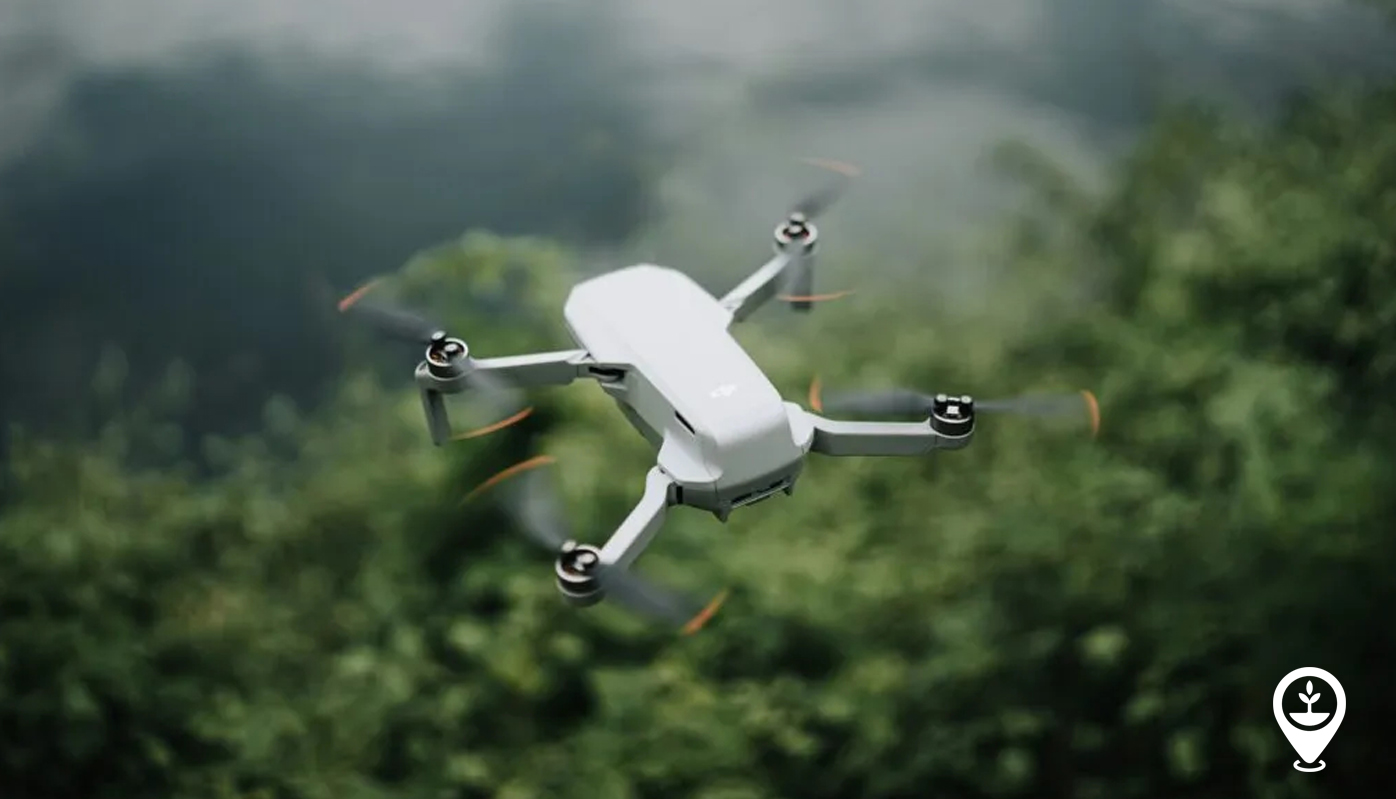
The act of planting a tree is as old as agriculture itself. For millennia, humans have pressed seeds into soil, nurturing saplings with the hope that they’ll grow into forests that shelter, sustain, and endure. Yet today, this ancient practice stands at a remarkable crossroads. As we face unprecedented environmental challenges, artificial intelligence is emerging as an unexpected ally in our efforts to restore the world’s forests.
The question isn’t whether technology belongs in conservation work. It’s how we use it wisely.
The scale of the challenge
The numbers tell a sobering story. The world lost approximately 10 million hectares of forest annually between 2015 and 2020, according to the Food and Agriculture Organisation. To put that in perspective, we’re losing an area roughly the size of Iceland every single year. Meanwhile, international commitments like the Bonn Challenge aim to restore 350 million hectares of degraded land by 2030, which is an ambition that far exceeds our current capacity using traditional methods alone.
This is where artificial intelligence enters the picture as a powerful multiplier of human expertise and effort.
AI in action: From planning to growth
The application of AI to reforestation begins long before the first seedling touches earth.
Site selection, once a labour-intensive process requiring extensive field surveys, can now be enhanced through machine learning algorithms that analyse vast amounts of satellite imagery, topographical data, soil composition, and climate patterns. These systems can identify optimal planting locations at a scale and speed beyond the reach of human teams alone, flagging areas where restoration efforts are most likely to succeed.
Species selection represents another frontier where AI is making meaningful contributions. Choosing the right tree for the right place has always been critical to successful reforestation, but climate change has made this decision exponentially more complex. Machine learning models can now process decades of climate data, growth patterns, and ecological relationships to predict which species will thrive in specific microclimates—not just today, but decades into the future as conditions shift. This helps avoid the costly mistake of planting trees that won’t survive long-term environmental changes.
Once trees are in the ground, the real work begins. Traditionally, monitoring survival rates and forest health required periodic manual surveys. This was expensive, time-consuming, and limited in scope. Now, AI-powered drone technology equipped with computer vision can survey thousands of hectares in a single day, identifying individual seedlings, measuring growth rates, and detecting early signs of disease, pest infestation, or drought stress. Research has shown that deep learning algorithms can identify tree species from aerial imagery with over 90% accuracy, enabling precise, large-scale forest inventories that were previously unimaginable.
Perhaps most striking are innovations in the planting process itself. Companies are developing drone systems that use AI to identify optimal planting microsites within degraded landscapes, then fire seed pods into the ground at rates that far exceed what human planters can achieve in difficult terrain. These aren’t meant to replace traditional planting teams but to complement them, accessing steep slopes, wetlands, or other challenging areas where human access is limited or dangerous.
Keeping humans at the heart
Here’s what’s crucial to understand: AI is a tool to augment human knowledge, not replace it. The most successful reforestation projects using AI are those that pair algorithmic power with local ecological knowledge, indigenous wisdom, and the judgment of experienced foresters.
A machine learning model can analyze thousands of data points about soil chemistry, but a local farmer knows where water pools after rain. An algorithm can predict climate trends, but community members understand which traditional species have cultural significance and provide food security. The future of effective reforestation lies in this partnership: technology handling repetitive analysis and monitoring at scale, while human experts make nuanced decisions that require context, ethics, and deep ecological understanding.
This human-AI collaboration also creates new opportunities for communities. Rather than reducing employment, well-designed AI systems can make tree planting more efficient and satisfying, freeing planters from grueling survey work to focus on the skilled craft of successfully establishing trees.
Real impact on the ground
The integration of AI into reforestation isn’t just theoretical. Organisations worldwide are demonstrating tangible results. In Brazil, researchers used machine learning to analyse forest plots, and identify the most effective native species combinations for restoring the Atlantic Forest. Their AI models revealed that planting specific key species combinations could accelerate forest recovery, potentially reducing restoration costs while improving ecological outcomes.
A 2023 World Economic Forum report highlighted that AI-powered forest monitoring systems can detect deforestation and forest degradation up to six times faster than traditional methods, enabling rapid response to threats. This speed matters enormously when illegal logging or wildfire can destroy years of restoration work in a matter of days.
In restoration projects globally, the combination of satellite monitoring and machine learning is changing success rates. Research indicates that projects using AI-enhanced monitoring can achieve seedling survival rates 20-30% higher than those of traditional approaches, largely because problems are identified and addressed before they become catastrophic. Early detection of water stress, disease, or pest damage allows targeted interventions that save vulnerable seedlings.
Navigating the challenges
Yet we must approach this technological moment with clear eyes. AI systems require significant upfront investment in equipment, training, and infrastructure. These resources aren’t equally distributed across the global conservation community. There’s a real risk of creating a two-tiered system in which well-funded organisations in wealthy nations access cutting-edge tools, while grassroots groups in biodiversity-critical regions—often doing the most important work—are left behind.
We must also remain vigilant about the limitations of AI recommendations. For example, algorithms trained primarily on temperate forest data might offer poor guidance for tropical reforestation. Systems that optimise for carbon sequestration alone might overlook biodiversity, watershed protection, or community livelihoods. The technology is only as good as the data it learns from and the values its designers embed within it.
There’s also the question of appropriate scale. Not every project needs drone fleets and machine learning platforms. Sometimes the most effective approach is simply supporting local communities in planting native trees they’ve cultivated for generations, using knowledge passed down over centuries.
The final word
Looking forward, the next five to ten years promise continued evolution. We’re likely to see AI systems that better integrate multiple objectives—carbon storage, biodiversity, water quality, community benefits—rather than optimising for single metrics. Advances in low-cost sensor technology and edge computing may democratize access to monitoring tools, making sophisticated forest health tracking available to organisations of all sizes.
Perhaps most exciting is the potential for AI to help us understand forest ecosystems with unprecedented depth. Machine learning is beginning to reveal complex relationships between species, soil microbiomes, and climate variables that have eluded traditional research methods, knowledge that could transform how we approach restoration.
At the end of the day, at EcoMatcher, we believe that technology is only ever a means to an end. The end—healthy, resilient forests that support biodiversity, stabilise climate, protect watersheds, and sustain communities—remains unchanged. AI doesn’t alter our fundamental mission; it simply provides new tools to achieve it.