

The Rise of Nature Rights
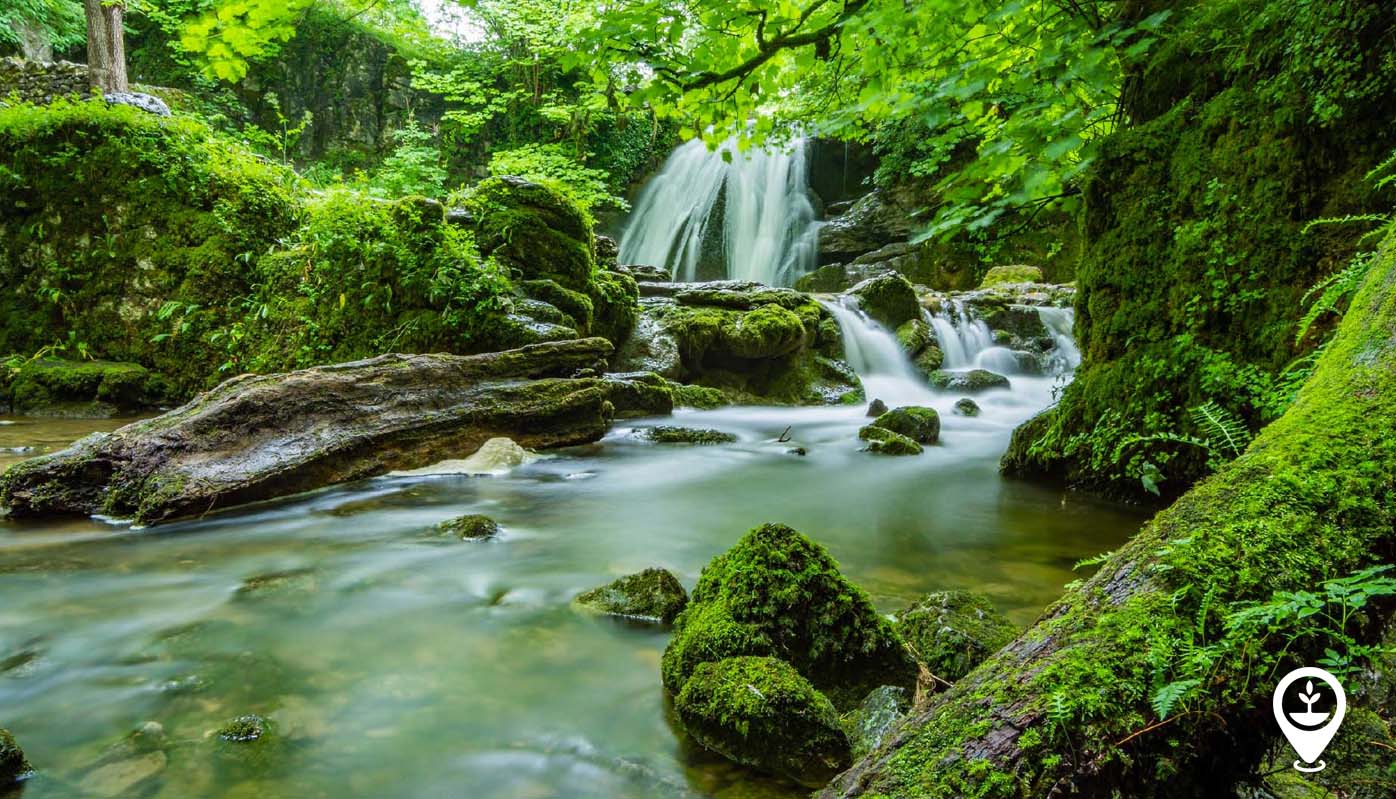
In 2017, the New Zealand Parliament did something extraordinary. After 140 years of Māori advocacy, they granted the Whanganui River legal personhood, the same status that corporations enjoy. The river, known to the Māori as Te Awa Tupua, could now own property, enter contracts, and be represented in court. For the Whanganui iwi (tribe), it was the law finally catching up to a truth they’d always known: “I am the river, and the river is me.”
This wasn’t an isolated case. Across the planet, a revolution is reshaping how we relate to the natural world. Rivers, forests, mountains, and ecosystems are being recognized as entities with inherent rights. For organizations working in conservation and reforestation, this shift carries profound implications.
The limits of property
Traditional Western legal systems treat nature as property: something to be owned, bought, sold, and exploited. Environmental regulations seek to limit this exploitation, but they operate within a framework in which nature remains fundamentally a resource. You can regulate how much pollution a company dumps in a river, but the river itself has no standing to object.
This creates an accountability vacuum. When an ecosystem is destroyed, who has been wronged? Under property-based law, only human owners can claim damages. The forest, the wetland, and the coral reef are all voiceless. Meanwhile, corporations possess legal personhood, allowing them to own assets, sue, and be sued. The irony hasn’t been lost on activists: a mining company has more legal rights than the mountain it’s destroying.
Indigenous peoples worldwide have long operated under different principles. For many cultures, nature isn’t separate from humanity. The Kichwa concept of Pachamama (Mother Earth) in the Andes, the Māori understanding of whakapapa (genealogical connection to land), and countless other Indigenous frameworks recognize humans as participants in, rather than dominators of, natural systems.
What legal personhood actually means
Granting nature legal rights doesn’t exactly mean treating a river like a human being. Legal personhood is a tool: a way of creating accountability and representation. Corporations aren’t people either, yet they’ve enjoyed legal personhood for over a century, allowing them to function as economic actors with rights and responsibilities.
For nature, personhood typically includes three core rights: the right to exist, the right to regenerate, and the right to restoration when harmed. Humans serve as legal guardians, representing the ecosystem’s interests in court and decision-making processes. When Ecuador’s Vilcabamba River faced destruction from a road-widening project, residents sued on behalf of the river itself under Ecuador’s constitutional rights of nature. They won, forcing remediation of the damage.
The enforcement mechanisms vary by jurisdiction. Some systems create formal guardian positions, others allow any citizen to bring cases on nature’s behalf. Ecuador became the first country to enshrine rights of nature in its constitution in 2008, establishing the legal foundation for Pachamama to be both respected and defended in court.
Indigenous leadership, global movement
The rights of nature movement draws heavily on Indigenous legal traditions and philosophy, though its modern legal expressions have spread worldwide. Following the Whanganui River decision, New Zealand granted similar status to Te Urewera, a former national park now recognized as “a legal entity in its own right” with Māori and Crown-appointed guardians.
In South America, the movement has deep constitutional roots. Bolivia passed the Law of Mother Earth in 2010, establishing eleven rights for nature, including the right to life, biodiversity, clean water, and freedom from contamination. In 2018, Colombia’s Constitutional Court granted rights to the Colombian Amazon, recognizing it as a subject of rights and ordering the government to halt deforestation that threatens the ecosystem.
Bangladesh took a sweeping approach in 2019, granting legal personhood to all of its rivers—a High Court ruling aimed to protect the country’s extensive river systems from pollution and encroachment. Bangladesh has over 700 rivers, making this one of the largest single extensions of nature rights globally.
In North America, Indigenous nations have led the charge. The White Earth Band of Ojibwe in Minnesota established rights for wild rice (manoomin), a culturally sacred species. In Canada, the Innu Council of Ekuanitshit granted legal personhood to the Muteshekau Shipu (Magpie River) in Quebec, creating the first such recognition in the country.
Even in Europe, traditionally resistant to such frameworks, change is emerging. Spain’s Mar Menor coastal lagoon was granted legal personhood in 2022 after a severe ecological collapse caused by agricultural runoff. The lagoon can now be defended in court by a committee of guardians representing human and ecosystem interests.
When rights meet reality
Legal recognition doesn’t automatically translate to protection. India’s Ganges and Yamuna rivers were declared living entities in 2017, only to have the decision reversed weeks later amid confusion over liability and governance. The case revealed a crucial challenge: granting rights without clear enforcement mechanisms, funding, and political will creates symbolic victories that fail in practice.
Ecuador, despite pioneering constitutional nature rights, has seen mixed results. As of 2021, approximately 30 caseshad been brought under Ecuador’s rights of nature provisions, with several successful outcomes forcing mining operations to halt and rivers to be restored. Yet extractive industries continue operating in protected areas, revealing the gap between legal frameworks and economic pressures.
Critics argue that nature rights remain fundamentally anthropocentric. Humans still make all decisions about what nature “wants” or “needs.” This critique is valid, yet it misses a key point. Legal systems are human constructs. The question isn’t whether we can perfectly represent non-human interests, but whether our legal frameworks should acknowledge that those interests exist at all.
Practical questions abound. Who becomes a guardian, and how? What happens when nature’s rights conflict with human needs for food, water, or housing? Can poor communities afford the same legal representation for their rivers that wealthy ones can?
Implications for conservation
For reforestation and conservation work, the rights of nature framework offers both practical tools and philosophical reorientation. Forests become more than carbon sequestration machines or biodiversity reserves; they become communities of beings with inherent worth. For organizations like EcoMatcher, this reinforces the idea that restoration is not only about planting trees, but about supporting living ecosystems and helping people build a deeper connection with them.
This shift empowers local communities with legal standing to defend ecosystems. When a forest has rights, illegal logging becomes a violation not just of regulations but of the forest’s legal personhood. Indigenous guardians and residents can bring cases without needing to prove individual human harm first.
The framework also redefines restoration work. Planting trees becomes an act of fulfilling legal obligations to damaged ecosystems rather than discretionary charity. Success metrics expand beyond survival rates and carbon tons to include ecosystem sovereignty and regenerative capacity.
The Global Alliance for Rights of Nature, established in 2010, now includes member organizations from over 30 countries, coordinating legal strategy, sharing precedents, and supporting communities pursuing nature rights frameworks.
The final word
Supporting nature rights starts with examining our own language and assumptions. Do we talk about “our forests” or forests as communities we’re part of? Do we frame conservation as protecting resources or honoring relationships?
Advocacy matters locally. Over 30 municipalities in the United States have passed rights-of-nature ordinances, often driven by grassroots organizing. These local laws create laboratories for testing how rights-based frameworks function in practice.
Supporting Indigenous-led conservation is crucial. Many of the most effective guardianship models emerge from communities that never stopped treating nature as kin. Organizations like the Earth Law Center provide legal support and education to communities pursuing rights-of-nature protections.
Rivers flowed, forests grew, and ecosystems thrived for billions of years before human legal systems existed. What’s changing is our willingness to structure human law around ecological reality rather than demanding nature conform to our property-based frameworks. For EcoMatcher, that shift reflects a broader opportunity: to use technology, transparency, and engagement to help people relate to nature not as an asset, but as a living system worth understanding and protecting.