

The Role of Secondary Forests in Carbon Sequestration
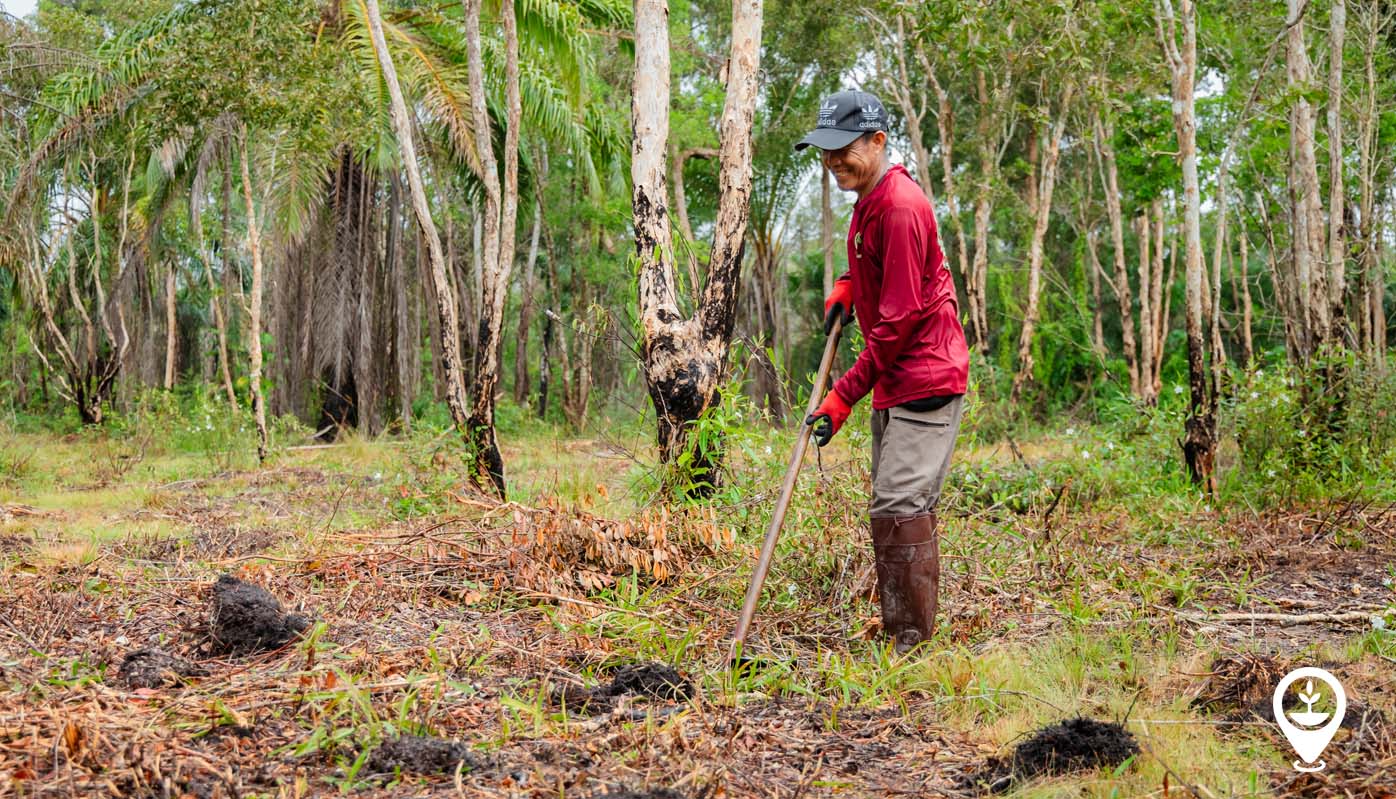
When we think about forests and climate change, ancient rainforests and towering old-growth trees often come to mind. These primary forests are indeed irreplaceable treasures. But there’s another forest type quietly doing remarkable work in the fight against climate change: secondary forests, the woodlands that regrow after disturbance, whether through natural regeneration or active restoration efforts.
Secondary forests are nature’s comeback story. They emerge on lands previously cleared for agriculture, logged, or disturbed by fire or storm. While they may lack the grandeur and biodiversity of old-growth forests, these resilient ecosystems are climate heroes in their own right, pulling carbon dioxide from the atmosphere at impressive rates as they race toward maturity.
The carbon capture power of young forests
What makes secondary forests such effective carbon sinks? The answer lies in their youth and vigor. Young, rapidly growing trees are carbon-hungry. As they build trunks, branches, and roots, they pull CO2 from the air and lock it away in wood and soil. This growth happens fastest in the early and middle stages of forest development, typically during the first 10-20 years after establishment.
The numbers are striking. Research published in Nature found that secondary forests in Latin America sequester carbon approximately 11 times faster than old-growth forests, with trees accumulating biomass at remarkable rates during their growth spurt years. This doesn’t diminish the importance of primary forests, which store vastly more total carbon built up over centuries, but it highlights the unique contribution young forests make to actively removing carbon from the atmosphere right now.
The mechanism works like this: through photosynthesis, trees absorb CO2 and use the carbon to build cellulose, lignin, and other compounds that form their physical structure. A portion of this carbon also moves below ground, enriching soils through root growth and leaf litter. During peak growth periods, a single hectare of secondary tropical forest can sequester several tons of carbon annually, making these forests dynamic carbon processing machines.
A global opportunity
The potential scale of secondary forest regrowth is enormous. Following centuries of widespread deforestation for agriculture and timber, vast areas of formerly forested land now lie abandoned or underutilised as farming populations shift to cities and agricultural practices intensify on remaining cropland.
Allowing natural forest regeneration on degraded and abandoned lands could potentially capture 8.9 billion tonnes of CO2 by 2050, making it a significant contribution to meeting climate goals. The same research identifies tropical regions as having the highest potential for rapid carbon accumulation, though temperate and boreal regions also offer substantial opportunities.
We’re already seeing this happen. The Atlantic Forest in Brazil, once reduced to less than 10% of its original extent, has seen encouraging regrowth in recent decades as secondary forests reclaim abandoned pastures. In parts of Central America, secondary forests now cover more land than they did in the mid-20th century. Even in temperate regions like the eastern United States, forests have expanded significantly over the past century as agricultural land returned to woodland.
Natural regeneration vs. active restoration
Secondary forests develop through two main pathways: natural regeneration and active restoration. Understanding when each approach works best is crucial for maximising carbon sequestration potential.
Natural regeneration occurs when trees and other vegetation recolonise land without human intervention. This works well when conditions are favorable: nearby seed sources exist, soils retain fertility, and the landscape isn’t too degraded. Natural regeneration often produces diverse, resilient forests adapted to local conditions, and it’s cost-effective since nature does the work. In many cases, simply protecting land from further disturbance and allowing nature to take its course yields impressive results.
Active restoration—planting trees and managing regeneration—becomes necessary when natural processes stall. Severely degraded soils, isolated landscape fragments far from seed sources, or invasive species dominance may prevent natural regrowth. In these cases, tree planting, soil amendment, and careful species selection can jumpstart forest recovery. Active restoration allows us to accelerate the process and strategically place forests where they’ll have maximum impact.
The most effective approach often combines both strategies: planting key species to establish a forest structure while allowing natural regeneration to fill in gaps and add diversity over time.
Multiple benefits beyond carbon
While carbon sequestration is crucial, secondary forests deliver numerous co-benefits, making them even more valuable. As these forests mature, they become habitats for wildlife, serving as refuges for species displaced from primary forests and creating corridors that connect fragmented ecosystems. Studies show that tropical secondary forests can recover much of their original biodiversity within decades, though full recovery to primary forest conditions takes much longer.
Secondary forests also protect watersheds, reducing soil erosion and filtering water. Their roots stabilise slopes and prevent landslides. Their canopies moderate local temperatures and humidity, creating microclimates that benefit agriculture in surrounding areas. For rural communities, these forests can provide sustainable livelihoods through products like fruits, medicinal plants, and carefully managed timber.
This multiplicity of benefits means that investing in secondary forest protection and restoration is more than just climate action. It’s a holistic approach to environmental and social well-being.
Challenges to consider
Secondary forests face real challenges. Their carbon storage benefits only materialise if forests persist in the long term. A secondary forest cleared after 20 years releases much of the carbon it has captured back into the atmosphere, erasing climate gains. Threats include agricultural expansion, fire, illegal logging, and conversion to development.
There’s also a time factor. While secondary forests sequester carbon quickly relative to their age, they start from zero. Protecting existing primary forests, which already store massive amounts of carbon, remains paramount. Secondary forests complement but cannot replace the conservation of old-growth ecosystems.
Additionally, not all secondary forests are equal. Species composition, climate, soil quality, and management practices all influence how much carbon a forest captures and how quickly biodiversity recovers. Monoculture plantations, while technically “secondary forests,” typically store less carbon and support less biodiversity than naturally diverse regenerating forests.
The final word
The promise of secondary forests translates into concrete opportunities for climate action. Tree-planting organizations play a vital role by supporting both natural regeneration and active restoration where it’s needed most. This means protecting regenerating forests from premature clearing, assisting natural processes in degraded landscapes, and engaging local communities as stewards of these recovering ecosystems.
Policy matters too. Governments and international climate frameworks need to recognise and incentivise the protection of secondary forests. Programs that compensate landowners for allowing forest regrowth or provide technical support for restoration can tip the balance toward forest recovery.
As individuals, we can support organizations working on forest restoration, advocate for forest-friendly policies, and make choices that reduce pressure on forests worldwide.
Secondary forests remind us that nature is resilient. Given time and protection, life returns to degraded landscapes. Trees grow, carbon is captured, streams are cleared, and birds return. These forests won’t replace what was lost when ancient woodlands fell, but they represent hope and practical climate action.
In the urgent work of stabilising our climate, we need every tool available. Secondary forests offer a powerful, relatively rapid way to pull carbon from the atmosphere while ecosystems recover and mature. By understanding and supporting these resilient forests, we invest in a future where both nature and humanity can thrive.